
Newsletters
Perimenopause Edition
February 2026
This won’t be the last time I write about peri-menopause, but it’s a great place to start. Peri-menopause isn’t just something I study or coach on, it’s something I’m living in, earlier than expected, and under circumstances I didn’t choose. Because of my cancer treatment, I was forced into peri-menopause and will not be able to use hormone replacement therapy now or when I officially reach menopause. That reality changed how I approach my body, my health, and my expectations. It also sharpened my focus on learning how to work with my physiology instead of fighting it, using the tools that are actually available to me.
What that’s given me is perspective, and a deep respect for how complex, frustrating, and often invisible this season of life can feel. Brain fog, sleep disruption, mood shifts, stubborn weight changes, and energy crashes aren’t personal failures, they’re biological signals. And while hormones play a role, they are not the only lever we can pull. Nutrition, strength training, stress management, blood sugar balance, and mindset matter more than we’ve been led to believe. This edition of my newsletter is about sharing what I’ve learned, through research, coaching, and lived experience, so you feel informed, supported, and empowered to navigate peri-menopause in a way that works for your body, not against it.
Many women are navigating peri-menopause while simultaneously raising families, building or sustaining careers, and carrying the invisible mental load of both, often with little room to slow down. As a mom who gets that, I’m passionate about helping women feel supported rather than dismissed during this phase of life.
A Surprising Tool For Brain Fog
Creatine is often associated with bodybuilders, but emerging research shows it may also support brain energy and cognitive performance, especially during times of hormonal transition like peri-menopause. Creatine helps regenerate ATP (your cells’ energy currency), which may support: Mental clarity and focus, Working memory and Reduced mental fatigue. Some studies suggest that women, particularly during peri-menopause, may benefit more from creatine than men due to differences in baseline creatine stores and hormonal influence on brain metabolism. Consistency of timing in taking creatine matters as does hydration. One of my favorite creatine supplements is by mindbodygreen because they offer travel packets (or bulk) in flavors like raspberry or watermelon I can put right in my water bottle! Mindbodygreen is dedicated to holistic wellness and foundations of wellness backed by science. Use to get 25% off today!



Your Brain On Perimenopause
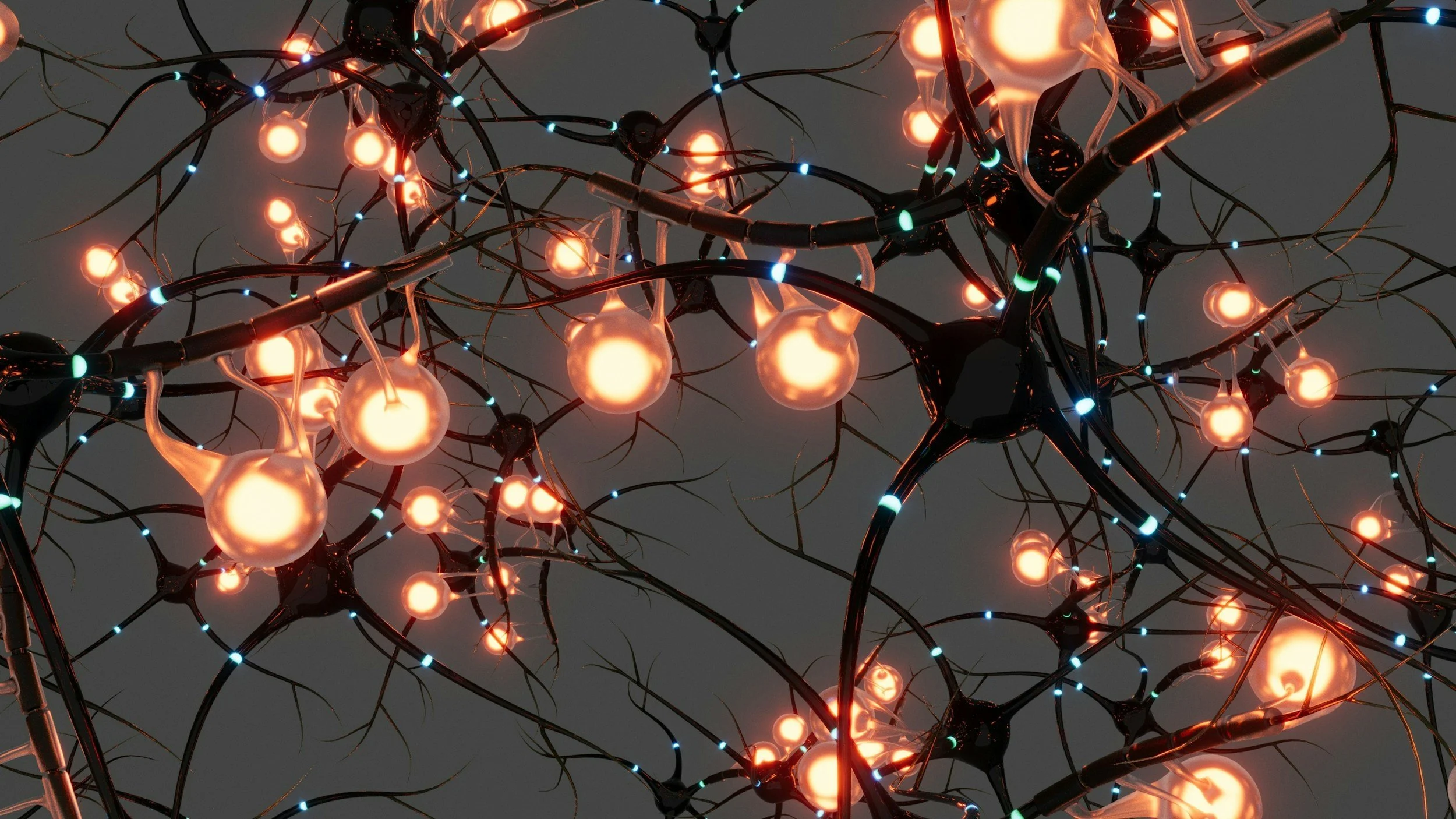
If you’ve ever walked into a room and forgotten why you’re there (me all the time), or struggled to find words that used to come easily (again, me), you’re not imagining it and, you’re not alone. Brain fog is one of the most common, and most frustrating symptoms of peri-menopause. Fluctuating estrogen affects things like dopamine and serotonin, as well as glucose metabolism in the brain. In other words, our brain is working harder with less predictable fuel. Recent research suggests that cognitive changes during peri-menopause are functional, not permanent, meaning your brain isn’t“declining,” it’s adapting to a new hormonal environment. The good news? Lifestyle strategies can make a real difference.
Coaching Corner
Reflection: Where in your life are you asking your brain to perform without giving it the support it needs?
One thing I remind clients often is that what you’re experiencing in peri-menopause isn’t a personal flaw, failure or a lack of discipline. It’s actually feedback from your body asking for support (not judgment from your inner critic). And if we listen carefully enough we begin to understand key signals that will help us be healthier and happier! You don’t need to “push through.” You need a smarter strategy.

Supporting brain health during peri-menopause works best when you combine:
Adequate protein and fuel (see more below)
Strength training to build bone density and lean muscle
Stress regulation to reduce the effects of cortisol
Quality sleep to ensure cells are repairing and building
Targeted supplements (when appropriate)
What Do You Do When Nothing Else Is Working
If you find yourself (like many women) saying things like, “I crash mid-afternoon,” or “I’m eating well but not losing weight,” “I sleep terribly” or “nothing is working for me anymore,” then this is yet another amazing opportunity for you to listen to your body. Crazy enough, most women
don’t eat enough during peri-menopause (yeah you heard that correctly)and specifically, they don’t eat enough protein. In an effort to lose unwanted weight, or “restart” theirmetabolism, may women cut calories. Here are some reasons that just won’t work anymore:
You’ll Simply Burn Out. In the short term, it works for most people. Less in, more energy out. But forperi-menopause where your hormones are in major flux and your brain needs max capacity energy.Cutting calories isn’t sustainable because it puts you into a constant state of deprivation which overtime will make you well, wicked irritable. Simply put, you’ll burn out and start all over again.
You’ll Accelerate Muscle Loss. Exactly the opposite of what you want to do right now. Without enoughcalories (and protein), the body breaks down muscle for energy. Since muscle is metabolically activetissue, losing it lowers resting metabolic rate and makes long-term fat loss harder.
Thyroid Signaling Can Downshift. Chronic calorie restriction can suppress thyroid hormoneconversion (T4 → T3), leading to fatigue, cold intolerance, and slower metabolism, all of which aremore common during peri-menopause.
Up your protein intake and worry less about calories. Yeah, that’s what I said and I know it is contrary to just about everything we’ve been taught as women about losing weight. Depriving yourself of food bears extra weight and guilt which result in increased cortisol. Cortisol’s job is to move energy during times of stress, but that doesn’t work in a state of constant stress. Increased cortisol can: Disrupt sleep Increase abdominal fat Increase cravings Raise blood sugar Break muscle down (especially in peri and post menopausal women)! So, aim for approximately 20-35g per meal and focus on that for several weeks until you get the hang of it. Using an app like My Fitness Pal is a huge help in tracking and calculating your intake. Quick Tip: Collagen Peptides (in your coffee or tea adds 18g)! Prioritizing Sleep. Poor sleep raises cortisol and insulin resistance, increases hunger hormones, and makes fat loss significantly harder. Even one or two short nights can blunt weight loss efforts. Aim for consistent bed/wake times Focus on sleep quality, not just hours Evening routines matter more than willpower Quick Tip: I am huge fan of my Oura ring and tools in general that help you understand your health. It tells me what kind of sleep I had, how my heart rate and breathing were and what factors like meals or timing affected my ability to get productive sleep.
Managing Stress. When you’re told to reduce stress, that in and of itself feels like stress. I like to think more about managing it. Pay attention to how your body responds to different activities. Walking, yoga, breathwork, journaling, or quiet downtime all count More high-intensity workouts are not the solution when stress is high Sometimes fat loss improves when stress comes down, even without diet changes
Coaching Corner
As you move forward, you might pause to ask yourself: What signals has my body been sending that I’ve been pushing through? What small, supportive shift feels doable right now? And what would it look like to offer myself the same patience and care I give everyone else? These and the questions below are examples of what we explore together in coaching.
Where am I pushing through instead of listening to my body right now?
What signals has my body been sending that I’ve been minimizing or ignoring
What would it look like to support myself with the same care I give others?
What expectations am I holding myself to that no longer match this season of life?
Where could I give myself permission to slow down, ask for help, or adjust?
What does “taking care of myself” actually mean right now, not what I think it should mean?
What does my body need more of right now?
What does it need less of?
Who do I want support from as I navigate this season?
Pulling It All Together
Peri-menopause may change the rules, but it doesn’t mean you’re powerless. Small, intentional shifts, like increasing protein to support muscle and metabolism, using creatine to help with brain fog and cognitive clarity, balancing blood sugar through smart carb pairing, prioritizing strength training, and managing stress, can make a meaningful difference. Just as important is giving yourself permission to slow down, practice self-compassion, and treat rest and self-care as non-negotiable rather than indulgent. If you’re ready to stop guessing and want personalized support that fits your real life, I’d love to work with you through coaching. Be kind to yourself and work with the changes your body is experiencing in a patient way so that it has time to respond. Trust me it will.